
Best Budget Rice Cooker Under 50: 5 Picks That Actually Last (2026)
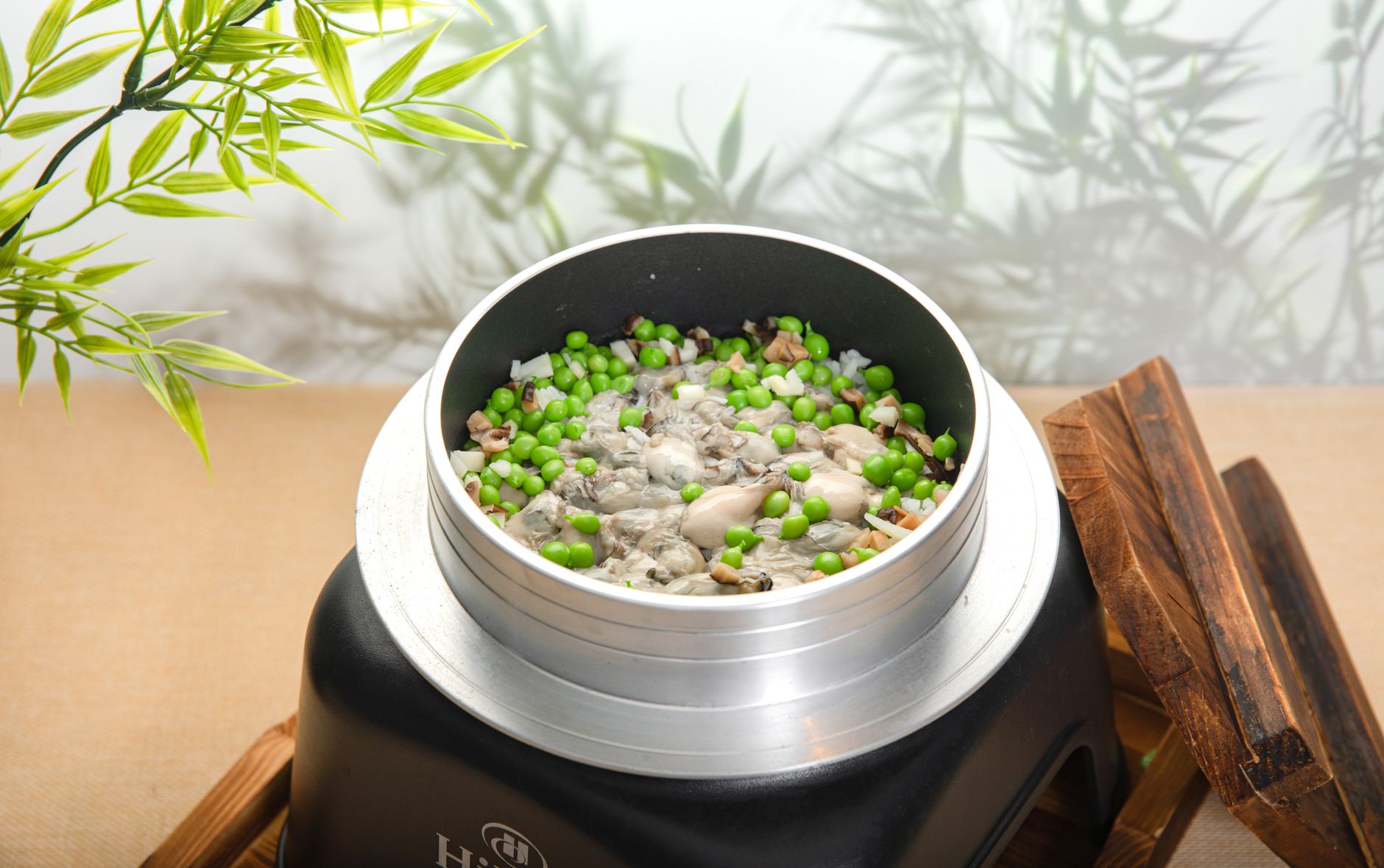
With grocery prices still stubbornly high heading into late 2026, the humble rice cooker has quietly become the MVP of budget-conscious kitchens. While everyone was obsessing over air fryers last year, smart shoppers realized that a dedicated rice cooker—paired with bulk grains and dried beans—is the real secret weapon for stretching food dollars without sacrificing dinner quality.
But here’s the problem: walk into any big-box store or scroll through Amazon, and you’ll find dozens of rice cookers under $50 that look identical but perform wildly differently. Some burn rice to the bottom within six months. Others can’t handle brown rice without turning it into mush. And a surprising number have nonstick coatings that flake off before you’ve finished the bag of jasmine rice you bought to justify the purchase.
Finding the best budget rice cooker under 50 isn’t about picking the cheapest option—it’s about identifying which models actually survive daily use while producing consistently fluffy results. After testing current models and analyzing thousands of long-term user reports from 2025 and 2026, we’ve identified five cookers that punch well above their price class.
What Actually Matters in a Sub-$50 Rice Cooker
Before diving into specific models, you need to know what corners manufacturers cut to hit that $50 price point—and which compromises actually matter.
Capacity vs. Counter Space Reality Most budget rice cookers advertise “6-cup” capacity, but that’s uncooked rice. You’re looking at roughly 12 cups cooked, which feeds 4-6 people. For singles or couples, a 3-cup (uncooked) model saves counter space and energy. For families or meal preppers, the 5.5-cup size hits the sweet spot without jumping to commercial-sized units.
The Coating Conundrum At this price, you’re getting nonstick aluminum. Period. The difference lies in coating quality. Cheap Teflon flakes within months; better models use diamond-infused or ceramic-reinforced coatings that survive metal spatula accidents. Look for “PFOA-free” labels, but more importantly, check recent reviews specifically mentioning coating durability after 6+ months of use.
Fuzzy Logic vs. Basic Switch True “fuzzy logic” (microchip-controlled cooking) rarely appears under $50, despite marketing claims. What you actually want is a reliable thermal sensor that switches to “warm” mode without scorching the bottom layer. Basic one-switch models work fine for white rice but struggle with brown rice or quinoa.
The 5 Best Budget Rice Cookers Under $50 (2026 Edition)
1. Aroma Housewares ARC-914SBD Digital Cool-Touch ($35-45)
This 8-cup (cooked) digital model dominates Amazon sales for good reason. Unlike basic one-touch cookers, it offers specific settings for white rice, brown rice, and steam—plus a delay timer that actually works.
Why it wins: The brown rice setting actually produces edible results, not the crunchy disappointment most budget cookers deliver. The steam tray lets you cook vegetables simultaneously, effectively replacing a second appliance.
Watch out for: The nonstick pot is thinner than premium brands. Use wooden or silicone utensils exclusively, and never crank the heat to “sauté” mode (a feature that sounds useful but degrades the coating quickly).
2. Zojirushi NHS-06 3-Cup ($40-50)
Yes, Zojirushi makes a budget model, and yes, it’s worth the slight premium over generic brands. This is the Toyota Corolla of rice cookers—basic, reliable, and seemingly immortal.
Why it wins: The heating element distributes heat more evenly than any competitor at this price. The glass lid lets you monitor progress without releasing steam, and the stay-cool handles actually stay cool.
Watch out for: It’s strictly white rice and sushi rice. Brown rice requires pre-soaking and careful water ratio adjustments. No fancy features—just perfect white rice every time.
3. BLACK+DECKER RC506 6-Cup ($25-30)
When your budget is absolutely capped at $30, this is your pick. It’s the definition of “does one thing well.”
Why it wins: The automatic keep-warm function actually keeps rice edible for 12+ hours without drying it out—a rarity in this price bracket. The removable nonstick bowl is dishwasher safe (though hand-washing extends its life significantly).
Watch out for: The measuring cup is non-standard (3/4 cup = 1 “rice cup”). Ignore the markings on the pot and use a standard measuring cup with a 1:1.5 rice-to-water ratio for best results.
4. Instant Pot Duo Mini 3-Quart ($45-55, often on sale under $50)
Okay, technically this is a pressure cooker, but the 3-quart Duo Mini functions brilliantly as a rice cooker—and it frequently drops to $49 during Amazon sales.
Why it wins: You get pressure-cooked rice in 12 minutes that rivals stovetop quality, plus the ability to cook dried beans, soups, and stews. The stainless steel inner pot eliminates nonstick coating concerns entirely.
Watch out for: There’s a learning curve. Rice requires a natural pressure release (10 minutes) to avoid mushiness. If you want “set it and forget it” simplicity, stick with dedicated rice cookers.
5. Hamilton Beach Digital Programmable Rice Cooker ($35-45)
The dark horse of 2026. This 7-cup (uncooked) model includes a unique “heat/simmer” function that actually works for oatmeal and quinoa without boiling over.
Why it wins: The included steam basket is larger than competitors, fitting a full pound of broccoli or dumplings. The delay timer is programmable in 15-minute increments up to 15 hours—perfect for having rice ready when you walk in the door.
Watch out for: The power cord is frustratingly short (24 inches). Measure your counter-to-outlet distance before buying.
How to Make a $50 Rice Cooker Last 5+ Years
The difference between a rice cooker that dies in eight months and one that lasts half a decade usually comes down to user habits, not manufacturing defects.
The Vinegar Steam Clean (Monthly) Mineral buildup from hard water kills heating elements. Once a month, run a cycle with 1 cup water and 2 tablespoons white vinegar, then wipe the heating plate with a damp cloth. This prevents the “burnt rice smell” that plagues cheap cookers.
Rice Washing Technique Rinsing rice until the water runs clear removes excess starch that gums up the thermal sensor. That sensor is what tells your cooker to switch to “warm.” If it’s coated in starch residue, it malfunctions and burns your rice.
Storage Strategy Never store the cooker with the lid closed. Trapped moisture breeds mold in the steam vent and degrades the sealing gasket. Store it with the lid ajar or upside-down.
Common Mistakes That Ruin Budget Rice Cookers
Even the best budget rice cooker under 50 will disappoint if you treat it like a $200 Zojirushi.
Overfilling the Pot That “max fill” line isn’t a suggestion. Exceeding it causes starchy water to bubble into the heating element, creating smoke and permanent damage. For 3-cup models, stop at 2.5 cups uncooked rice.
Using Metal Utensils One scrape with a metal spoon creates a scratch that becomes a flaking disaster within weeks. Invest in a $3 bamboo rice paddle—it’s gentler on coatings and doesn’t conduct heat.
Ignoring the “Warm” Time Limit Most budget cookers keep rice safe for 12 hours, but quality degrades after 4 hours. The bottom layer becomes crispy (not in a good way) and the top dries out. If you need rice for meal prep, cook it fresh or refrigerate immediately after cooking.
Final Verdict: Which One Should You Buy?
For most people, the Aroma Housewares ARC-914SBD hits the sweet spot of features, capacity, and durability. It handles brown rice competently, offers genuine set-it-and-forget-it convenience, and typically costs less than $40.
However, if you primarily cook white rice and want something that’ll survive a decade of abuse, spend the extra $10 on the Zojirushi NHS-06. It’s the only sub-$50 cooker with genuine Japanese engineering behind the heating element.
Remember: the best budget rice cooker under 50 isn’t the one with the most features—it’s the one that matches your actual cooking habits. A $25 BLACK+DECKER that you use daily beats a $50 feature-packed model that intimidates you into ordering takeout. Start with realistic expectations, maintain the coating with proper utensils, and you’ll eat better rice than most restaurants serve—all while keeping your grocery bill firmly under control.