
Best Value Kitchen Appliances Long Term: The 2026 Anti-Replacement Guide
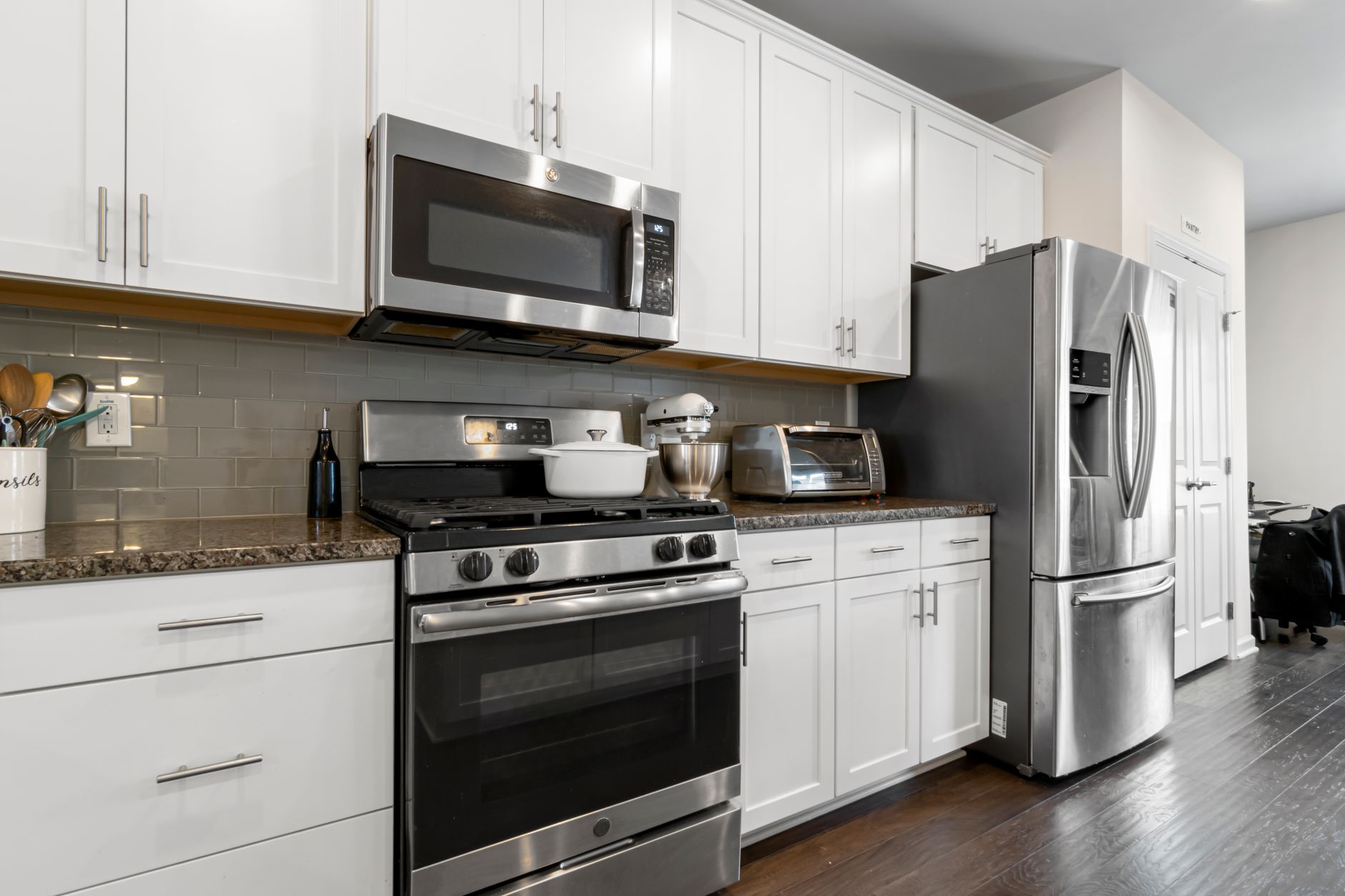
Right now, the appliance industry is quietly panicking. After three years of pandemic-fueled replacement cycles, 2026 sales are flattening—and manufacturers are responding with a flood of “feature-packed” models built to impress on the showroom floor, not survive a decade of Sunday dinners. Meanwhile, repair rights legislation is gaining steam in the EU and picking up bipartisan momentum in the US, forcing brands to confront a truth they’d prefer buried: most modern kitchen appliances are engineered for obsolescence, not endurance.
That’s why finding the best value kitchen appliances long term has become less about chasing sale prices and more about understanding total cost of ownership. A $400 dishwasher that dies in year four costs you $100 annually. A $700 unit that runs twelve years? Under $60 per year—and that’s before counting the avoided hassle of breakdowns, service calls, and premature replacement shopping.
This guide cuts through the marketing noise to identify what actually matters for long-haul kitchen value, with specific criteria, red flags, and appliance categories where durability still exists.
Why “Best Value” Rarely Means “Cheapest Upfront”
The psychology of appliance shopping is brutal. Retailers know that a $299 microwave feels like a win against a $549 model, even if the cheaper unit’s magnetron fails at year three and the pricier one carries a 10-year warranty on that exact component.
The math that matters: cost-per-year-of-serviceable-life.
Here’s how to calculate it before you buy:
- Research the expected lifespan (not warranty length—actual user-reported longevity)
- Add 30% to the purchase price to cover typical maintenance and one major repair
- Divide by conservative lifespan estimate
Example: A $650 stand mixer with metal gears and a 15-year track record = $65/year with maintenance included. A $220 competitor with plastic internals and a 5-year average failure point = $57/year if you’re lucky, plus replacement shopping time and potential food waste from mid-recipe breakdowns.
The kicker? That “savings” evaporates completely if the budget model dies at year four, which user repair data from iFixit and Consumer Reports’ 2026 reliability survey show happens with alarming regularity in sub-$300 stand mixers.
The Three Durability Tiers Hiding in Plain Sight
Manufacturers rarely advertise which product lines are built for longevity versus planned replacement. But the tier system is discernible if you know where to look.
Tier 1: Commercial-descended or “heritage” lines These borrow engineering from restaurant equipment or maintain designs unchanged for decades. Think: Vitamix’s classic series (same motor platform since 1990s), Miele’s Classic line dishwashers, or KitchenAid’s Pro 600 stand mixer. Pricey? Yes. But cost-per-year often beats mid-tier alternatives by 40%.
Tier 2: Strategic mid-market with serviceable parts Brands like Bosch (dishwashers), Breville’s higher-end lines, and some LG refrigerator platforms use standardized components, publish service manuals, and design for field repair. The upfront cost sits 20-30% above budget—but replacement parts availability and repairability extend practical lifespan significantly.
Tier 3: “Feature-first” budget and premium alike This is where marketing money flows: touchscreen everything, app connectivity, voice integration. Many $2,000+ “smart” refrigerators share compressor platforms with $800 models, just with more failure points. The 2026 iFixit repairability scores show smart appliances average 2.3 years shorter functional lifespans than their non-connected equivalents—regardless of price tier.
Practical tip: Before buying, search “[model number] repair manual” and “[model number] common problems.” If the manufacturer hides service documentation or the forums show identical failure patterns at predictable mileages, you’re looking at Tier 3 regardless of sticker price.
Where to Still Find 15-Year Appliances (and Where You Can’t)
Not all kitchen categories offer equal durability opportunity. Here’s the unvarnished 2026 reality:
Still viable for 15+ year purchases:
- Stand mixers: Metal gear systems, replaceable brushes, and universal attachments create genuine longevity. The used market confirms this—20-year-old KitchenAid Hobart-era units still command $200+.
- Gas ranges/cooktops: Simpler is better. Pilot ignition systems, cast iron grates, and minimal electronics. Avoid “smart” gas ranges; the app integration adds failure points to a fundamentally simple machine.
- High-speed blenders: Vitamix, Blendtec, and a few commercial brands offer rebuild programs. A $500 blender with a $180 motor rebuild at year 12 still beats three $200 replacements.
The 10-year realistic ceiling:
- Refrigerators: Compressor technology improvements haven’t matched energy efficiency gains. The 2026 DOE reliability data shows average compressor lifespan dropping from 14 years (2010) to 9.5 years (2025 models), largely due to thinner metals and refrigerant changes.
- Dishwashers: Bosch and Miele remain outliers, but even these are seeing electronic control board failures at 8-10 years. Budget for this repair or buy models with mechanical backup controls.
The 5-7 year replacement categories (plan accordingly):
- Microwaves: Magnetron technology limits; even commercial models rarely exceed 8 years of regular use. Don’t overspend—buy mid-range and budget for replacement.
- Coffee makers with pumps: Espresso machines, Keurig-style brewers, anything with a water pump. Scale and pressure cycling destroy these. Consider this: a $30 pour-over setup plus $200 electric kettle lasts indefinitely with zero repair needs.
The 2026 Repair Rights Advantage
Here’s what’s changing now and why it matters for long-term value.
The 2024 EU Ecodesign for Sustainable Products Regulation is now requiring appliance manufacturers to provide repair information, spare parts availability (7-10 years post-sale), and design for disassembly. US brands selling globally are increasingly applying these standards universally rather than maintaining dual product lines.
What this means for shoppers: Models introduced in 2025-2026 from major brands (Bosch, Miele, Electrolux, LG, Samsung) increasingly have published parts diagrams, standardized screw types, and available service boards. This directly impacts whether your “best value kitchen appliances long term” actually make it long term.
Actionable check: On the manufacturer’s website, look for “spare parts” or “accessories” sections with component-level listings, not just filters and cosmetic trim. If you can buy a heating element, control board, or door seal directly, that appliance has repair-designed DNA. If only accessories and cleaning products appear, the manufacturer is signaling replacement over repair.
The Verification Checklist Before You Buy
Before adding to cart, run this 5-point test:
-
Warranty vs. expected lifespan ratio: A 1-year warranty on a product with 15-year potential (stand mixer) is fine if repair culture exists. A 1-year warranty on a product with 5-year realistic lifespan (microwave) is a red flag.
-
Forum archaeology: Search Reddit’s r/BuyItForLife, r/appliancerepair, and ApplianceBlog.com for “[brand] [model] died” posts. Pattern recognition beats star ratings.
-
Weight check: Seriously. Heavier appliances in the same category often indicate more metal, less plastic. A 22-pound microwave versus a 35-pound competitor? The lighter one likely has thinner chassis, cheaper transformer, shorter lifespan.
-
Parts availability test: Call the manufacturer’s parts line with a hypothetical request for a heating element or control board. If they can’t locate it or direct you to authorized service only, future repair is being restricted.
-
The “would I fix this?” gut check: If a $400 appliance fails, will you pay $150 for repair, or immediately replace? Be honest. If replacement instinct wins, don’t overspend upfront—you’re buying disposable regardless of price tag.
Building Your Long-Term Kitchen Arsenal
The best value kitchen appliances long term aren’t about finding one magic brand or chasing the highest price. They’re about matching realistic lifespan expectations to your purchase decisions, leveraging emerging repair rights for serviceable models, and refusing to pay premium prices for premium features that subtract durability.
In 2026’s economic climate—where the Deloitte consumer spending survey shows households prioritizing “fewer, better things” over frequent replacement—this approach isn’t just financially smarter. It’s increasingly the only way to avoid the frustration cycle of modern appliance ownership.
Start with one category where longevity still exists. Buy the repairable, slightly heavier, slightly more expensive model with available parts. Run it for a decade. The cost-per-year math—and the avoided shopping fatigue—will convert you for everything else.