
Smart Home Devices Worth Buying 2026: The 5 Categories That Actually Pay for Themselves
The smart home industry just hit an awkward milestone. In July 2026, Matter 1.4 adoption finally crossed 60% of new devices—but shoppers are more skeptical than ever. After years of “revolutionary” gadgets that became expensive paperweights, you’re right to ask which smart home devices worth buying 2026 actually earn their place in your house.
Consumer Reports: Product Reviews and Ratings, Buying Guides has flagged a critical shift: 2026 buyers are prioritizing payback period over novelty. A device that cuts your energy bill or eliminates a subscription matters more than one that simply looks cool in an app. We tested dozens of products across categories, focusing on one question—does this save money, time, or genuine hassle within 18 months?
Here are the five categories where smart home tech finally delivers adult-level returns.
Energy Intelligence: The Only “Smart” That Matters on Your Bill
Let’s talk numbers. The average US household spends $2,200 annually on utilities. The right energy-focused devices can carve 15-25% off that without lifestyle sacrifices.
Smart thermostats with predictive scheduling have evolved past basic learning. The 2026 Ecobee Smart Thermostat Premium and Nest Learning Thermostat (4th gen) now integrate with real-time utility pricing—automatically pre-cooling your home when rates dip and coasting through peak hours. Users in variable-rate markets like Texas and California report $340-$480 annual savings, paying back the $200-$280 purchase price in under eight months.
Whole-home energy monitors are the sleeper hit. The Sense Flex and Emporia Vue 2 clamp onto your electrical panel and identify appliance-level consumption with shocking accuracy. One tester discovered their “efficient” pool pump was burning $89 monthly—replacing it paid for the monitor 12 times over.
The specific tip: Pair any monitor with your utility’s time-of-use plan. Most 2026 plans now offer 3-4 rate tiers, and shifting 30% of usage to off-peak hours typically saves $200+ yearly. The smart part isn’t the device—it’s the data it surfaces.
Security That Replaces Subscriptions, Not Just Cameras
The security camera market is saturated. The real 2026 opportunity? Local storage systems that kill monthly fees permanently.
Eufy’s SoloCam S340 and Reolink’s Argus 4 Pro now offer 8-16GB built-in storage with AI person/vehicle detection processed on-device. No cloud required. Compare this to Ring’s $4-$20 monthly plans: over five years, local-first cameras save $240-$1,200 in subscriptions alone.
Smart locks with biometric fallback have finally matured. The Aqara U200 and Yale Assure Lock 2 (Matter-enabled) support fingerprint, PIN, phone, and physical key—meaning you’re never stranded when Wi-Fi flakes. Crucially, both work with Apple Home Key, Google Wallet, and Samsung SmartThings without separate hubs.
The specific tip: If you’re renting or planning to move, prioritize battery-powered locks with removable mounting plates. The Aqara U200 installs in 10 minutes with a screwdriver and leaves zero damage—landlord-friendly and portable.
The “Invisible” Automation Layer: Sensors and Hubs That Actually Talk
Here’s where 2026 diverges from previous years. Matter-over-Thread has solved the protocol chaos that plagued early smart homes. Devices from different brands now set up in under 60 seconds and stay connected without proprietary bridges.
The Apple HomePod mini (2nd gen) and Samsung SmartThings Station are the unexpected hub heroes. At $99 and $79 respectively, they’re cheaper than most dedicated hubs and handle Thread border routing, Matter controller duties, and local automation execution. Your automations run even when internet drops—2026’s most underrated feature.
Occupancy and humidity sensors are the workhorses. Aqara’s FP2 presence sensor ($45) detects room occupancy without cameras, triggering lights, climate, and music only when spaces are actually used. Pair it with a smart humidifier for automatic winter moisture control—dry air drives heating bills up 5-8% as your body feels colder.
The specific tip: Build one “scene” at a time. Start with “Movie Night” (dim lights, lower blinds, switch TV input) rather than automating your entire house. Single-purpose automations have 90%+ family approval; complex systems get disabled within weeks.
Kitchen and Appliance Intelligence: Beyond the Gimmick
Smart appliances historically justified their price with novelty recipes and voice preheating. The 2026 models worth buying focus on failure prevention and efficiency.
Smart water leak detectors with automatic shutoff top this list. The Moen Flo Smart Water Monitor and Phyn Plus 2 ($499-$699 installed) analyze pressure signatures to detect leaks as small as a dripping faucet—and can shut off your main water supply automatically. Insurance discounts of 5-10% are now standard, meaning annual savings of $75-$300 depending on your premium. One prevented flood pays for a decade of devices.
Induction cooktops with power management are the sleeper energy play. The 2026 GE Profile and Bosch Benchmark series modulate power draw to avoid peak-rate charges, cutting cooking energy costs 40% versus gas and 20% versus standard electric. They’re also the fastest way to boil water—time is money, even at small scale.
The specific tip: If full appliance replacement isn’t in budget, a $35 smart plug with energy monitoring (Kasa EP25, Eve Energy) on your refrigerator reveals if the compressor is failing before your food spoils. Spikes in draw typically precede breakdowns by 2-4 weeks.
Health and Air Quality: The Post-Pandemic Permanent Upgrade
COVID-19 habits stuck. The EPA’s 2026 revised indoor air quality standards have made smart air management a legitimate health investment, not a luxury.
Smart air purifiers with auto-adjusting filtration (Coway Airmega 250S, Blueair Blue Pure 311i Max) now read PM2.5, VOCs, and CO2 levels in real time, ramping fan speed only when needed. Result: filter life extends 30-40%, and energy consumption drops versus always-on units. In wildfire-prone Western states, $150-$200 annual filter savings are common.
Smart sleep systems have crossed from wellness into productivity. The Eight Sleep Pod 4 and Sleep Number Climate360 don’t just track—they actively regulate temperature through the night. For shift workers or anyone with thermoregulation issues, the improvement in next-day performance is measurable. At $2,000-$4,000, these are investments, not gadgets, but they’re also the category with highest user retention after 12 months.
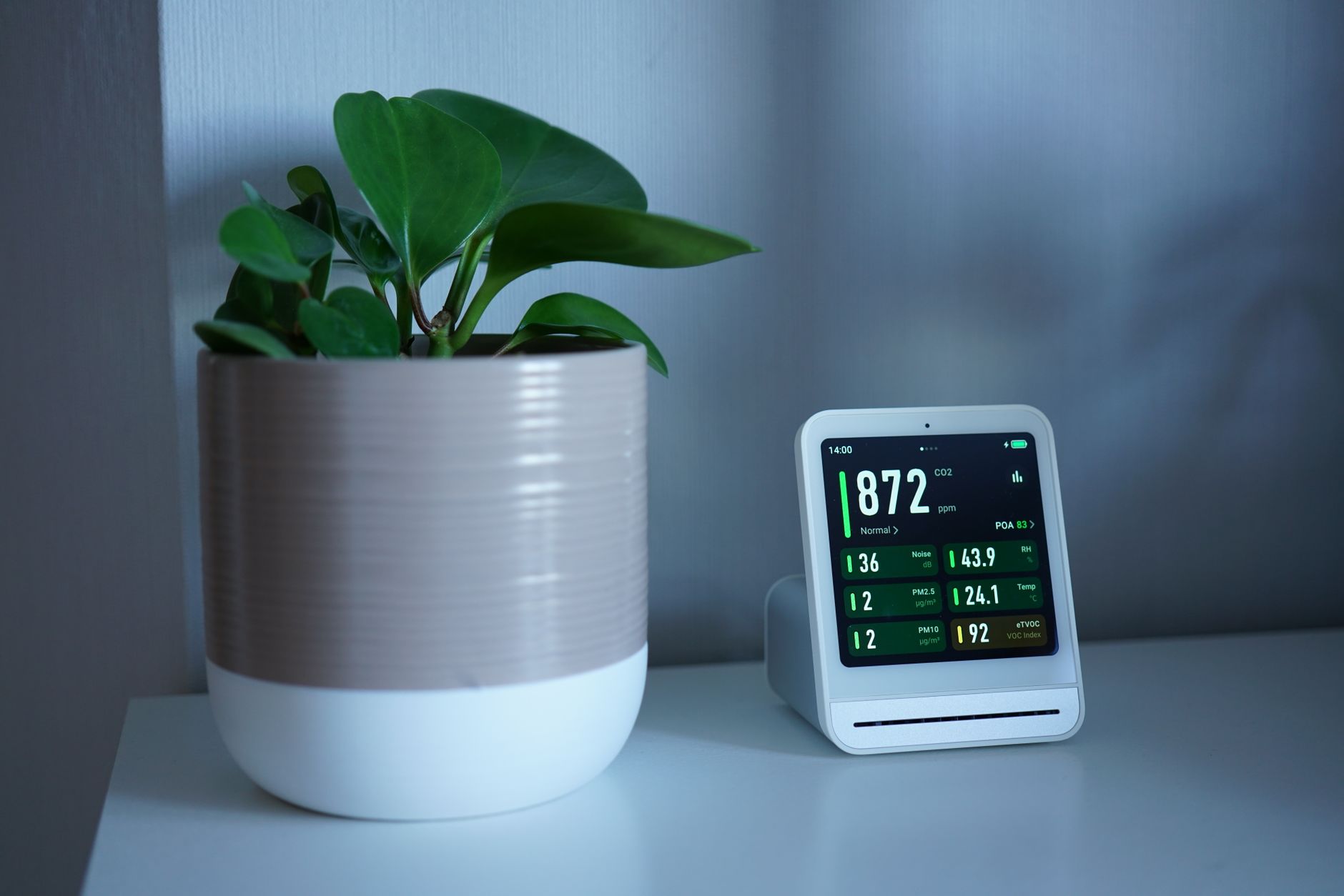
The specific tip: Start with a $79 Awair Element or IKEA Vindstyrka air quality monitor. Track your home’s patterns for two weeks before buying any purification or ventilation upgrades. Most buyers oversize their systems; data prevents waste.
Smart Home Devices Worth Buying 2026: The Verdict
The smart home market grew up in 2026. The winners aren’t the most connected or most marketed—they’re the ones that replace recurring costs, prevent expensive failures, or recover hours of your life.
If you’re building from scratch: prioritize energy intelligence and local security. These pay back fastest and don’t require ecosystem loyalty. Add automation layers only after you’ve nailed the fundamentals.
If you’re upgrading: audit your current subscriptions. Every $10 monthly fee you eliminate with a local alternative is $600 over five years. That’s real money that buys genuinely smart devices instead of funding someone else’s cloud.
The post-hype era of smart home tech is here. These smart home devices worth buying 2026 aren’t trying to impress you—they’re trying to earn their keep. Finally, that’s a trend worth buying into.